
Key Takeaways:
- Deep cycle batteries and regular batteries have different purposes and functionalities. Deep cycle batteries are designed for long and slow discharges, while regular batteries are designed for short and fast discharges.
- Deep cycle batteries have a longer lifespan and require less maintenance compared to regular batteries. They are also more expensive, but their cost-effectiveness is higher due to their longer lifespan.
- When choosing a battery, consider factors such as power output, discharge capacity, lifespan, maintenance, cost, and specific application requirements. Dual-purpose batteries can provide a combination of deep cycle and regular battery benefits for certain applications.
Introduction

Photo Credits: Gorvlyfe.Com by Christopher Rivera
Deep cycle and regular batteries differ in a key way. Deep cycle batteries are built to power something for a long time, like renewable energy systems. Regular batteries provide a quick burst of power, like in a car engine or power tool.
Deep cycle batteries have thicker plates and more active material. This means they can withstand long discharge cycles without damage. Regular batteries have thinner plates and less active material. That makes them better for short bursts of high power.
Deep cycle batteries also have a lower rate of self-discharge. They can retain their charge for a longer period when not being used. Regular batteries have a faster rate of self-discharge. They require more frequent recharging.
Deep cycle batteries are more expensive due to their heavier construction and longer lifespan. But, they can provide consistent power over a prolonged period. It’s important to choose the right battery for an application. The right battery will ensure optimal performance and longevity.
Understanding the Difference between Deep Cycle Batteries and Regular Batteries
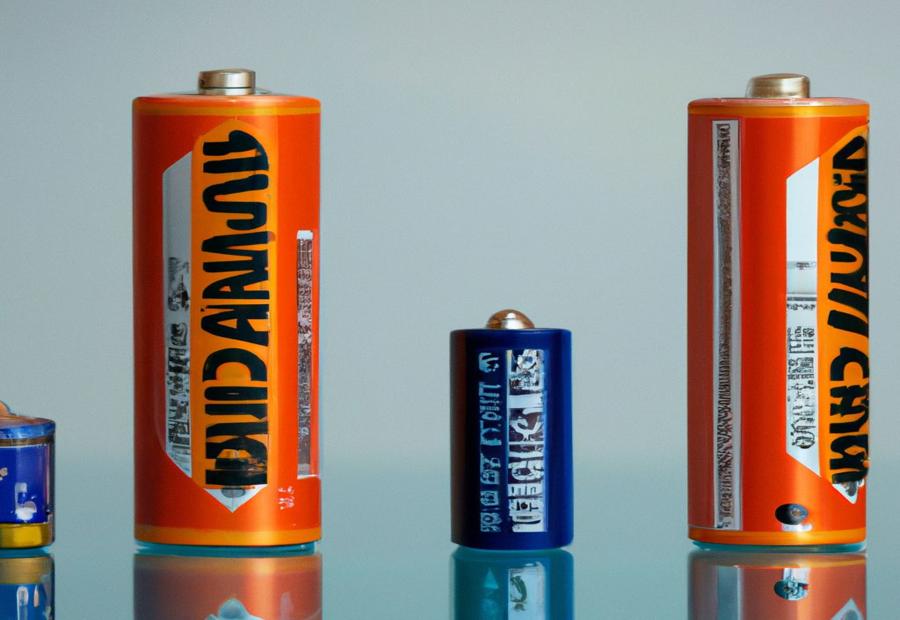
Photo Credits: Gorvlyfe.Com by Stephen Thompson
Discover the distinctive characteristics of deep cycle batteries and regular batteries and understand how they serve different purposes. Dive into the functionality of deep cycle batteries, designed for reliable, long-lasting energy storage. Meanwhile, explore the purpose and functionality of regular batteries, offering convenient portable power. Learn the key differences between these two battery types to make informed choices for your specific needs.
Purpose and Functionality of Deep Cycle Batteries
Deep cycle batteries are crafted with a purpose. They’re made to supply steady, reliable power for a long stretch. Unlike regular batteries, which provide short bursts of juice, deep cycle batteries persistently deliver energy.
- These batteries can take deep discharges without losing capacity, making them great for renewable energy systems like solar panels and wind turbines.
- Also, they can be discharged slowly over a long time without damage. Perfect for electric vehicles and marine propulsion systems.
- Their robust build lets them handle heavy loads and tough environments. This makes them ideal for off-grid power systems or remote equipment.
- Plus, deep cycle batteries have high amp-hour capacities – meaning they can store lots of energy and give it out steadily. This is great for camping trailers or recreational vehicles.
- Finally, they possess thicker plates and denser electrolytes than regular batteries. This boosts performance and extends service life, making them cost-effective in the long run.
In summary, deep cycle batteries are made to provide dependable power for a long period. These special batteries have tons of advantages over regular batteries when it comes to energy storage.
Regular batteries may not go the distance, but they can still energize your remote control.
Purpose and Functionality of Regular Batteries
Regular batteries have a specific purpose. They power portable electronic devices, such as remote controls, flashlights and small appliances. They come in standard sizes like AA, AAA, C, D and 9-volt. These batteries provide a quick burst of energy when needed. They are disposable once depleted.
On the other hand, deep cycle batteries are different. They store power for long-term use and gradually discharge over time. Regular batteries are not suitable for applications that need sustained power or frequent recharging.
Regular batteries are usually cheaper than deep cycle batteries. They last for a short time and don’t need special maintenance. They can be replaced when they run out of energy.
In conclusion, regular batteries are best for powering items that don’t require lots of power or long-term storage. They provide bursts of energy and are disposable and cost-effective.
Main Differences between Deep Cycle Batteries and Regular Batteries
Photo Credits: Gorvlyfe.Com by William Mitchell
Deep cycle batteries and regular batteries differ in key aspects. In terms of power output and discharge capacity, lifespan and maintenance, and cost and cost-effectiveness, these two battery types have distinct characteristics. Understanding these differences is crucial for making informed decisions when choosing the right battery for specific applications.
Power Output and Discharge Capacity
The table below displays a comparison between deep cycle batteries and regular batteries:
| Deep Cycle Batteries | Regular Batteries | |
|---|---|---|
| Power Output | High | Low |
| Discharge Capacity | Large | Small |
Deep cycle batteries outshine regular batteries in power output and discharge capacity. They can sustainably provide high energy, which makes them ideal for demanding applications. Regular batteries, on the other hand, have weaker energy output and smaller capacity for discharging. This makes them preferable for smaller devices or tasks that do not need a steady supply of energy.
Moreover, deep cycle batteries are cost-effective in the long run due to their longer lifespan and lower maintenance requirements.
Lifespan and Maintenance
Deep cycle batteries and regular batteries have different lifespans and maintenance requirements. Deep cycle batteries are designed to last longer and require less maintenance.
A comparison between them is shown below:
| Deep Cycle Batteries | Regular Batteries | |
|---|---|---|
| Lifespan | Longer | Shorter |
| Maintenance | Less | More |
Deep cycle batteries last longer as their design allows them to withstand repeated deep discharge cycles. Regular batteries, however, have a shorter lifespan.
In terms of maintenance, deep cycle batteries need less attention. They have thicker plates that are less prone to corrosion and overcharging/undercharging issues. Regular batteries may need more frequent maintenance.
Therefore, for applications that require sustained power output, deep cycle batteries are the preferred choice due to their longer lifespan and minimal maintenance needs.
Cost and Cost-effectiveness
The cost and cost-effectiveness of deep cycle and regular batteries are a key factor to consider when selecting the right one for the job.
Deep cycle batteries usually cost more upfront, due to their design and construction. They can handle repeated deep discharge cycles. Yet, they have a longer lifespan and need less maintenance than regular batteries, meaning more cost-effectiveness in the long run.
Let’s compare them in the table below:
| Factors | Deep Cycle Batteries | Regular Batteries |
|---|---|---|
| Power Output | Lower | Higher |
| Discharge Capacity | Higher | Lower |
| Lifespan | Longer | Shorter |
| Maintenance | Less | More |
| Initial Cost | Higher | Lower |
The table shows deep cycle batteries have higher initial costs than regular ones. However, they offer benefits like longer lifespan and lower maintenance. This makes them more cost-effective in the long term as they don’t need replacing as often.
Choosing the Right Battery for Specific Applications

Photo Credits: Gorvlyfe.Com by Russell Martinez
When it comes to choosing the right battery for specific applications, there are important factors to consider. In this section, we will explore these factors separately for deep cycle batteries and regular batteries. Additionally, we’ll take a closer look at dual-purpose batteries, which offer a combination of features from both deep cycle and regular batteries. Making an informed choice based on these considerations can greatly impact the performance and longevity of your battery in various applications.
Factors to Consider in Choosing Deep Cycle Batteries
Deep cycle batteries are essential when picking a power source. Several factors should be taken into account to get the best performance from them.
Power output and discharge capacity are among the most important factors. These batteries deliver steady power over a long time. It’s crucial to figure out the power needs and pick a battery with the right discharge capacity.
Lifespan and maintenance are also key factors. Deep cycle batteries can withstand frequent discharges without reducing their lifespan too much. Choose a battery that offers a long lifespan and minimal maintenance for cost-effectiveness.
Cost is another consideration. Quality, brand, and capacity affect the cost of deep cycle batteries. Although they may have a higher upfront cost, they are cost-effective in the long run due to their longer lifespan and ability to handle frequent deep discharges.
In addition, application requirements, size and weight constraints, and compatibility with existing systems must be considered when choosing deep cycle batteries. By taking all these factors into account, you can pick the best battery for your needs.
Factors to Consider in Choosing Regular Batteries
Power Output: Selecting a battery with the right power output is key. Different devices need different power levels. This ensures compatibility and usability.
Battery Lifespan: It’s essential to know how long the battery will last before replacement. This helps budget and avoid disruptions in usage.
Maintenance Requirements: Regular batteries vary in their maintenance needs. Some must have periodic maintenance, while others offer convenience and no maintenance.
It’s important to consider device manufacturers’ and experts’ requirements and recommendations.
Weighing up these factors can help when choosing a regular battery – it should meet power needs, be reliable, and offer longevity. Taking power output, battery lifespan, and maintenance requirements into account ensures optimal performance from the chosen regular battery.
For those needing a battery that can do both marathon and sprints, there are dual-purpose batteries.
Dual-purpose Batteries: a Combination of Deep Cycle and Regular Batteries
John, an avid camper, needed a reliable battery for his RV. He wanted something with sufficient power and long lifespan. He discovered dual-purpose batteries. These combine the best features of regular and deep cycle batteries. They offer power output, discharge capacity, and low maintenance. Plus, their cost-effectiveness comes from fulfilling multiple battery requirements.
John invested in one. It provided enough power for his appliances and lasted several years. Thanks to its combination of features, he could enjoy his trips without worrying about running out of power. In choosing dual-purpose batteries, it’s important to consider factors like power needs and intended use.
Conclusion

Photo Credits: Gorvlyfe.Com by Willie Rivera
In the end, deep cycle batteries are essential. They provide a consistent and reliable power source for various applications such as solar energy storage, electric vehicles, and RVs. These batteries have a higher capacity and can endure several charge and discharge cycles with little to no performance loss. Deep cycle batteries have thicker plates and denser active material. This gives them a longer lifespan and higher energy storage abilities. This makes them great for devices that require long-term, continuous power. Unlike regular batteries, deep cycle batteries can handle deep discharges without sacrificing effectiveness.
What’s special about deep cycle batteries is their ability to keep a steady power output for a long time. This is great for situations that need a reliable power source. Regular batteries may not be able to manage the same power output for as long and may weaken with time. The design and make of deep cycle batteries let them provide a more effective and dependable power supply. This is why they are used in many industries that require a steady power supply.
Since the rise of renewable energy sources like solar and wind power, deep cycle batteries have been around. They allow efficient energy storage. Deep cycle battery technology has been instrumental in the growth of renewable energy sources. As the demand for sustainable energy continues to increase, deep cycle batteries remain essential in powering these systems. All in all, deep cycle batteries are critical for the move to a more sustainable future.
Some Facts About Uncovering the Difference Deep Cycle Batteries vs Regular Batteries:
- ✅ Deep cycle batteries are designed to provide a steady amount of current over a long period of time, while regular batteries are designed to provide a large burst of current for starting engines. (Source: Various)
- ✅ Deep cycle batteries have thicker metal plates compared to regular batteries, which allows for more consistent power release. (Source: Various)
- ✅ Regular batteries are measured in Cold Cranking Amps (CCA) for short bursts of power, while deep cycle batteries are measured in Reserve Capacity (RC) for longer periods of power. (Source: Various)
- ✅ Deep cycle batteries are commonly used in applications such as RVs, boats, and golf carts, while regular batteries are used for starting engines in cars. (Source: Various)
- ✅ Deep cycle batteries have a longer lifespan and can withstand deep discharges and recharges, while regular batteries are not designed for complete discharge. (Source: Various)