
Key Takeaways:
- Choosing the right battery is essential for maximizing RV battery life and performance.
- Proper charging techniques, such as avoiding overcharging and using a smart charger, can extend the lifespan of your RV battery.
- Conserving battery power by using LED lighting, reducing use of power-hungry appliances, and utilizing propane resources can help prolong battery life during trips.
- Protecting the battery from extreme temperatures and keeping it clean and dry can prevent damage and extend its lifespan.
- Utilizing additional resources like solar panels, battery monitoring tools, and expert recommendations can further enhance RV battery life.
- Proper disposal and recycling of batteries is important for environmental sustainability.
- Accessing professional advice and services can ensure the longevity and reliability of your RV batteries.
Introduction

Photo Credits: Gorvlyfe.Com by Brian Lewis
Maximizing your RV battery life is essential for a seamless and enjoyable outdoor adventure. In this section, we will delve into the importance of safeguarding your RV battery and the benefits that come with proper care and maintenance. Discover practical tips and tricks to optimize the lifespan of your battery, ensuring a reliable power source for all your camping needs. Don’t miss out on these valuable insights to enhance your RVing experience.
Importance of maximizing RV battery life
Maximizing the life of your RV battery is crucial for a blissful travel experience. Understand the types of batteries available – like chassis and house batteries – to pick the right one for you. Selecting the right battery type and technology is essential. Proper charging techniques, conserving power, and regular maintenance are all key to prolonging its lifespan. Lastly, enlist the help of experts, use solar panels if possible, monitor the battery with energy meters, and make sure to recycle it responsibly. Maximize your battery’s life for worry-free trips without power failures or breakdowns!
Treat your RV battery like you would an ex’s heart – with precision, love, and a dash of fear.
Benefits of proper care and maintenance
RV batteries benefit from proper care and maintenance. This can save money and stop being stranded with a dead battery while on the road. Also, it guarantees optimal performance and power supply to all appliances. Neglecting battery care can result in poor performance, shorter lifespan, and unexpected breakdowns.
- Longer Lifespan: Care extends battery life and lowers cost of replacements.
- Optimal Performance: Maintenance and charging provide reliable power.
- Reliability: Care preserves reliability for stress-free travel.
Care and maintenance are essential for preserving reliability. RV owners can guarantee their batteries stay reliable with these tips.
Types of RV Batteries

Photo Credits: Gorvlyfe.Com by Alan Anderson
Different types of RV batteries play a crucial role in maximizing your RV battery life. In this section, we’ll explore the two main types: chassis batteries and RV house batteries. Discover the unique features and benefits of each type, empowering you to make informed decisions for your RV’s electrical system.
Chassis batteries
Chassis batteries are distinct from house batteries in an RV. They initiate the engine’s operation and are vital for getting a vehicle up and running. Selecting a high-quality battery that meets the RV’s requirements is essential for optimal performance.
Proper care of chassis batteries includes:
- Monitoring battery voltage levels
- Using appropriate charging techniques
- Checking for corrosion on terminals
- Ensuring tight connections
Chassis batteries are a key component of an RV’s electrical system. Knowing their importance and taking good care of them can boost performance and extend the battery’s lifespan.
RV house batteries
Choosing the right battery is key for getting the most out of your RV house batteries. You must consider factors like durability, capacity, and compatibility with the electrical system. Plus, you have to charge them properly to extend their life. Overcharging and sulfation can be avoided with a good converter and regular monitoring.
It’s also important to conserve energy in order to maximize RV house battery life. Appliances can be managed to reduce strain on the battery. Additionally, gas can be used for fridges instead of inverters.
Protecting RV house batteries from extreme weather is a must. Too much heat or cold can damage battery performance and lifespan. Flooded lead-acid batteries should have water levels checked regularly. Cleaning and corrosion prevention are also very important.
Follow these tips to keep your RV battery running for all your adventures!
Tips for Extending RV Battery Life

Photo Credits: Gorvlyfe.Com by Frank Wright
Extend the life of your RV battery with these expert tips. Discover the importance of choosing the right battery, proper charging techniques, conserving battery power, and protecting your battery. Implement these strategies to ensure your RV battery lasts longer, keeping you powered up on the road.
Choosing the right battery
When selecting a battery for your RV, it’s essential to mull over the quality. Investing in a high-quality one will yield better power output and last longer. Examine different types of batteries to make an informed decision.
Lead-acid, lithium, and AGM are the most common options available for RVs. Each has its pros and cons. Comprehend how diverse types of batteries affect their lifespan. For instance, lithium batteries have a longer lifespan than lead-acid ones.
Make certain that the chosen battery is compatible with your RV’s electrical system. Think about factors such as voltage requirements and capacity to ensure smooth integration. Speak to pros or experts to gain insights into which battery type would be best for your RV model and usage needs.
Glance at user reviews and experiences to make an educated decision based on real-life scenarios and feedback from other RV owners. Moreover, assessing details such as warranty coverage periods or special features of certain battery brands can help you choose the ideal option for your RV.
By proactively considering these components, you can choose a battery that not only meets your power needs but also maximizes its lifespan for a stress-free RV experience.
Proper charging techniques
For proper battery charging techniques, follow this 4-step guide:
- Avoid overcharging and sulfation. Use a converter that provides the right voltage. Monitor your battery to make sure it doesn’t get overcharged.
- Invest in a high-quality charger. It should include bulk charging, absorption charging, and float charging.
- Practice regular maintenance and monitoring. Clean the terminals and check for corrosion and damage. Monitor the water levels in lead-acid batteries and top them up with distilled water.
- Charge your battery whenever possible. This will prevent sulfation and keep it healthy.
These tips will help extend the battery’s life. Solar panels can also be used to supplement battery charge. Digital energy meters or battery disconnect switches should be used to monitor and maintain the RV battery. Remember to dispose of batteries properly and recycle them.
Conserving battery power
Managing energy for appliances is an essential step for RV owners. Simple actions, like switching off lights when not needed and reducing power-hungry devices, can make a difference. Using propane-powered appliances instead of electric ones can help conserve battery power. Utilizing gas for the fridge also helps preserve battery life. Inverters that convert DC power to AC power for certain appliances can drain battery power. Minimizing their use or choosing DC-powered equipment is a good strategy.
Other tactics can reduce strain on the battery. These include avoiding leaving electronics on overnight, unplugging devices when not in use, and insulation in extreme temperatures. Regular monitoring is also important. Using a good converter or digital energy meter assists in recognizing any issues quickly. Maintenance is also key. Keeping water levels topped up, cleaning terminals, and preventing corrosion are all effective measures.
By following these guidelines, RV owners can ensure their batteries remain reliable. This will provide a worry-free experience while travelling. Reportedly, efficient energy usage has prolonged battery life and reduced occurrences of unexpected power loss.
Overall, conserving battery power is essential for extending the lifespan of RV batteries, and for a reliable source of power during trips. Protecting the battery is necessary to avoid shocks and ensure the RV is always charged for the next journey.
Protecting the battery
It’s essential to protect your RV battery for long-term use. Here are some steps to follow:
- Insulate the battery compartment. Extreme temperatures can be damaging, so use insulation material or a protective sleeve to regulate temperature.
- Check and maintain water levels in lead-acid batteries. This is key to prevent sulfation and reduce battery capacity and lifespan. Check water levels regularly and top up with distilled water.
- Address cleaning and corrosion prevention. Corrosion buildup on terminals can hinder electricity flow and impact performance. Clean the terminals with baking soda and water. Afterwards, apply petroleum jelly or a corrosion prevention spray.
- Pay attention to storage techniques. When storing your RV or not using it for a while, disconnect the battery or use a maintenance charger to avoid gradual discharge and sulfation.
With these measures, you’ll prolong your battery’s lifespan and ensure reliable power during travels. This reduces the risk of unexpected breakdowns, allowing you to enjoy your RV for years to come.
Additional Tips and Resources

Photo Credits: Gorvlyfe.Com by Bruce Walker
Discover valuable additional tips and resources to maximize your RV battery life. Experts share their recommendations, solar panels provide sustainable power, battery monitoring tools assist in maintenance, and learn how to properly dispose and recycle batteries. Access professional advice and services to enhance your RV battery experience. Start implementing these insights to make the most out of your adventures on the road.
Recommendations from experts
Experts offer valuable advice to help maximize RV battery life. These tips come from experienced individuals with in-depth knowledge of the specific needs of RV batteries.
- Maintenance: Regularly check water levels and clean battery terminals. This helps maintain optimal performance and extends battery life.
- Charging Techniques: Avoid overcharging and sulfation, which can reduce battery lifespan. Use a good converter and monitor the battery’s state during charging.
- Battery Selection: Consider lifespan, power output, weight, and cost when deciding on a battery type.
- Power Conservation: Manage energy use for appliances, use gas for the fridge, and reduce inverter usage.
- Solar Power: Harness solar power through solar panels to reduce reliance on other charging methods.
More unique details can enhance battery care. Understand how temperatures affect battery performance; extreme heat or cold can reduce battery life. Proper disposal and recycling of batteries is also important.
One example of why these recommendations are crucial is an avid RV traveler who neglected regular maintenance on their batteries. During a long-distance trip, they were stranded without power. This could have been prevented if the expert advice was followed.
RV owners can ensure their batteries are properly cared for and maintained by following the expert recommendations. This will lead to increased lifespan and reliable power sources.
Use of solar panels
Solar panels for RV batteries are favored for their capacity to add to battery usage and supply a sustainable energy source. They catch the sun’s energy and change it to electricity, which can then be used to charge RV batteries. There are numerous benefits to using solar panels as an alternative power source.
- They lengthen the life of RV batteries by cutting down on conventional charging.
- They are a renewable, eco-friendly energy source, reducing reliance on fossil fuels.
- Using solar panels can save money in the future, since they provide a more economical way to fuel appliances and devices.
- RV owners can have more independence with solar panels, as they don’t need access to electrical hookups.
- Solar panels operate quietly and require minimal maintenance after installation.
- By decreasing the strain on RV batteries, solar panels can assist in preventing premature battery failure and costly replacements.
Plus, there are other factors to consider when using solar panels with RV batteries. It is essential to make sure the solar panel system is the right size and installed properly to meet the energy needs of the RV. Furthermore, regular cleaning and maintenance of solar panels is required to maximize their efficiency and longevity.
When combining solar panels with RV batteries, it is important to check battery levels and use proper charging techniques. This includes avoiding overcharging or undercharging the batteries, and implementing strategies for conserving battery power when possible.
In conclusion, incorporating solar panels into an RV battery system can bring many advantages for sustainability, cost savings, and increased independence while travelling. RV owners can upgrade their camping experience and help the environment by taking advantage of the sun’s energy.
Battery monitoring and maintenance tools
Battery monitoring and maintenance tools are a must for RV battery longevity and reliability. These tools enable owners to keep an eye on battery health, spot potential issues, and take action for optimal performance. Consider these key points when it comes to battery monitoring and maintenance tools.
Digital energy meters supply real-time info on battery voltage, current, and charge. By monitoring this data, owners can make smart decisions on power usage and charging.
Battery disconnect switches let RV owners easily disconnect the battery from electric loads when not in use. This reduces parasitic drains and extends battery life by preventing unnecessary discharge.
Battery testers are vital for assessing the capacity and health of RV batteries. Testing the battery periodically identifies any degradation or issues needing maintenance or replacement.
Battery chargers/maintainers ensure proper charging and minimize the risk of overcharging or sulfation. These devices guarantee a controlled charging environment that maximizes battery life.
More advanced options include battery monitoring systems that provide comprehensive data on battery performance, charging history, and even predictive analysis based on usage patterns. These systems alert owners to potential problems before they hurt battery life.
High-quality monitoring and maintenance tools are as important as selecting a good battery. Reliable equipment ensures accurate measurements and efficient operation for years.
Remember to responsibly dispose of old RV batteries to avoid polluting the environment. After all, polluting the environment won’t look good in your vacation photos.
Proper disposal and recycling of batteries
It’s essential to correctly dispose of batteries at recycling centers or facilities. Separating types of batteries helps the recycling process. Local regulations and guidelines for battery disposal should also be followed.
Improper disposal of batteries can pollute and cause health risks. So, it is vital to educate oneself on the correct disposal methods.
Additionally, some retailers or makers offer battery recycling programs. Consumers can return old batteries for proper disposal and recycling. This can benefit the environment.
In the US, 3 billion dry-cell batteries are sold yearly according to the EPA. This shows how important it is to dispose and recycle batteries correctly to prevent environmental damage and ensure a better future.
Accessing professional advice and services
RV centers and retailers specializing in battery care offer services to RV owners. They can recommend batteries for specific models and usage needs. They can also advise on chargers and converter selection and proper charging techniques to avoid overcharging and sulfation. Moreover, they can give energy management strategies to conserve power. These professionals can also provide info on extreme temperature protection and water level maintenance.
Overall, professional advice is key to maximizing RV battery life. Expertise helps ensure proper care and maintenance, resulting in more reliable batteries and worry-free RV experiences.
Conclusion
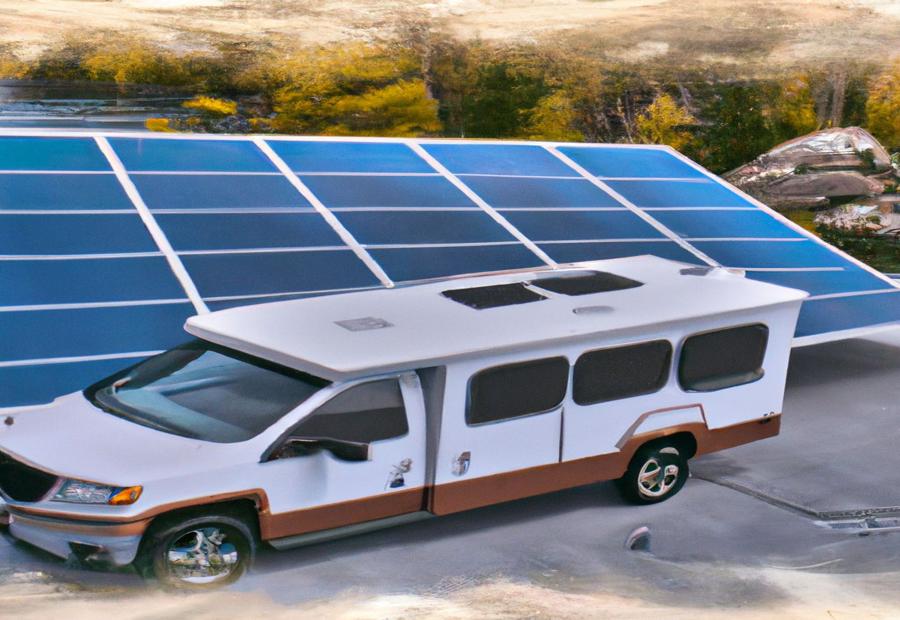
Photo Credits: Gorvlyfe.Com by Christopher Gonzalez
In conclusion, let’s recap the key points discussed, understand the importance of implementing these tips for a care-free RV experience, and emphasize the longevity and reliability of well-maintained RV batteries. Remember, by following these guidelines, you can maximize your RV battery life and ensure a smooth and hassle-free journey on the road.
Recap of key points
RV batteries are key for any recreational vehicle. To get the most out of them, proper care and maintenance are essential. Here are some tips to help make sure RV batteries last longer:
- Pick the right battery; consider type, brand, and energy needs.
- Charge correctly; avoid overcharging and sulfation.
- Save power; manage appliance use and reduce inverter reliance.
- Protect the battery; address temperature changes and clean terminals.
- Get advice from experts and use solar panels, digital energy meters, and other maintenance tools.
Other details can also extend battery life. Different types have pros and cons. Plus, experts can give advice on best practices. Taking all these factors into account can give you a stress-free RV experience with reliable battery performance.
Importance of implementing these tips for a care-free RV experience
For a care-free RV experience, following these tips is essential. RV owners can ensure longer and reliable battery life by taking the right considerations. Factors such as type, capacity and compatibility of the battery should be taken into account.
Charging techniques, avoiding overcharging and sulfation, using reliable converters and monitoring the state of the battery are key practices to maintain battery health. To reduce strain on the battery, RV owners should manage energy usage efficiently. This can be done by prioritizing essential appliances, using gas for the refrigerator instead of electricity and reducing the use of inverters. Further, energy-saving strategies like turning off lights, and opting for energy-efficient alternatives can increase battery lifespan.
Protecting the battery from extreme temperatures, monitoring water levels and cleaning & preventing corrosion are also necessary. Extreme temperatures can affect battery performance negatively. Hence, insulation or temperature regulation measures must be taken. Regular inspection and maintenance should be done to address any issues quickly.
Following these tips not only ensures a care-free RV experience, but also promotes sustainability. Proper disposal methods should be followed to minimize environmental impact. Professional advice from RV centers or retailers specializing in battery care products can provide additional help.
Emphasizing the longevity and reliability of well-maintained RV batteries.
Emphasizing the long life and trustworthiness of well-looked-after RV batteries is vital. It is important to carry out proper care and maintenance to get the most out of them. Choosing a high-quality battery that suits your needs and taking into account factors like battery type and lifespan impact ensures the best results. Plus, using the right charging techniques is a must. Avoid overcharging and sulfation, use a good converter, and keep an eye on the battery state to extend its life.
Conserving energy is also key for long-lasting batteries. Managing power for appliances, using gas for the fridge, and other ways to reduce strain on the battery are all essential. Moreover, protect it from extreme temperatures, check water levels regularly, and take cleaning and corrosion prevention measures.
Listen to experts for extra insight. Consider solar panels to supplement battery usage, use digital energy meters and battery disconnect switches for monitoring and maintenance, and responsibly dispose and recycle batteries to be eco-friendly. Consulting professional advice and services from specialized RV centers and retailers gives you invaluable tips on maintaining RV batteries.
Some Facts About How To Maximize Your RV Battery Life:
- ✅ A deep cycle RV battery can last for six or more years with proper care and maintenance. (Source: Team Research)
- ✅ RV house batteries are usually lead-acid batteries, available in 6-volt and 12-volt varieties. (Source: Team Research)
- ✅ Lithium batteries are more modern and expensive, but they last longer and require less maintenance. (Source: Team Research)
- ✅ Absorbed Glass Mat (AGM) batteries are maintenance-free lead-acid batteries. (Source: Team Research)
- ✅ Avoid discharging the battery below 80% or 12.4 volts for extended periods of time to prolong its lifespan. (Source: Team Research)