
Key Takeaways:
- Understanding the difference between RV batteries and car batteries is crucial for proper maintenance and troubleshooting.
- When troubleshooting an RV battery not charging, it is important to test the battery health, check the converter and shore power, and consider the age and potential replacement of the battery.
Introduction

Photo Credits: Gorvlyfe.Com by Harold Moore
Having your RV battery not charging can be a frustrating issue. In this section, we will delve into the common problem of RV batteries not charging. We’ll explore the potential causes and discuss effective solutions to get your battery back up and running. Don’t let this mystery persist any longer – read on to discover the key insights for resolving this problem and ensuring a smooth and worry-free camping experience.
Common problem of RV batteries not charging
RV batteries not charging can be a real nuisance. When the battery fails to get a proper charge, this leads to a lack of power and functionality. Knowing why this happens is key to tackling and solving the problem.
- Not keeping up with maintenance: Not tending to tasks like cleaning battery connections or checking water levels can cause the battery to struggle to work.
- Not enough charging time: If the battery is not left to charge for long enough, it won’t reach its full capacity and won’t provide enough power when needed.
- Battery age and replacement: Over time, RV batteries wear down and are unable to hold a charge. If an older battery is not swapped out in time, it won’t be able to charge properly.
- Issues with the converter: The converter converts AC power from an external source into DC power for the battery. Issues or defects with the converter stop the battery from receiving a good charge.
These are some of the usual problems causing RV batteries not to charge. But, there could be special details in each case. It is necessary to think about all the possibilities and troubleshoot accordingly to fix the issue.
When you are having problems with your RV battery not charging, act quickly. Not doing anything about it can make matters worse – such as reduced power or even complete loss of function while driving. Don’t let this problem spoil your RV trips – instead, follow the troubleshooting steps mentioned here to find and solve the problem, so your RV batteries stay charged and ready for your next adventure!
Understanding RV Battery Maintenance

Photo Credits: Gorvlyfe.Com by Mason Nelson
Understanding RV battery maintenance is crucial for every RV owner. In this section, we’ll explore the different types of RV batteries, the differences between RV batteries and car batteries, the importance of battery capacity and discharge rate, and the significance of proper battery care for longevity. By delving into these aspects, we can unravel the mystery behind RV battery not charging issues and ensure smooth and uninterrupted power supply during camping adventures.
Types of RV batteries
RV batteries come in different types, each with their own characteristics. Knowing about these types can help RV owners pick the right battery for their needs and maximize their RV’s electrical system performance.
Gel Cell Batteries: These use a gel electrolyte instead of liquid. They are spill-proof and don’t need maintenance. Also, they are good for long-term power use.
AGM (Absorbent Glass Mat) Batteries: These use fiberglass mats between the battery plates soaked in electrolytes. They are shock and vibration resistant, and have low internal resistance for quick recharging.
Flooded Lead Acid Batteries: These require regular maintenance, including checking fluid levels and adding distilled water. They give reliable power but need proper ventilation when charging.
Lithium-ion Batteries: These offer lots of benefits, like lightweight construction, high energy density, long lifespan, and fast charging. They cost a lot upfront but can prove cost-effective in the long run thanks to their efficiency and durability.
When selecting a battery for an RV, consider budget, usage requirements, maintenance preferences, and performance. Proper care and maintenance is also necessary for any battery type to last longer. This includes cleaning battery connections, checking fluid levels, monitoring charge levels, and ensuring sufficient charging time.
To get more information, talk to experts or RV community members. This can provide insights and experiences from other RV owners about specific battery types, brands, and models that have worked well.
By understanding the different types of RV batteries and maintaining them properly, RV owners can get longer-lasting, dependable power sources for their road trips.
Differences between RV batteries and car batteries
Text:
RV and car batteries may look similar. Yet, there are distinctions between them. Let’s compare them in terms of size, capacity, and usage.
Size: RV batteries are rather large and heavy. This is because they need to power appliances, lights, and entertainment systems for a long time. Car batteries are smaller as they just need to start the engine and provide power for a short time.
Capacity: RV batteries store more energy and provide power for a longer time. Car batteries have a lower capacity because they need to start the engine.
Usage: RV batteries can handle multiple discharge and recharge cycles. This is vital for RV owners when camping or traveling off-grid. Car batteries are mainly used for cranking and providing short bursts of power during driving.
To make the right decision for your needs, understand the battery’s capacity and discharge rate. This way, you’ll avoid a power outage and won’t have to tell ghost stories by candlelight.
Battery capacity and discharge rate
Battery capacity is the amount of energy a battery can store. Discharge rate is how quickly that energy is released. For RVs, understanding these is important for a reliable power supply. Let’s look at different types and their capacities/discharge rates.
The table below shows various RV batteries and their specs:
| Battery Type | Capacity (Ah) | Discharge Rate (C-rating) |
|---|---|---|
| Lithium-ion | 100 | 1C |
| Lead-acid | 80 | 0.8C |
| AGM | 75 | 1.2C |
Each type has a different capacity and discharge rate. These are important to consider when choosing an RV battery. Plus, proper maintenance is key for preserving performance over time. The Reference Data emphasizes this and highlights potential issues.
It’s clear that proper care and monitoring of capacity and discharge rate are essential for a reliable power supply when travelling in an RV. Feeding your plants tequila instead of water? That’s the secret to RV longevity!
Importance of proper battery care for longevity
Battery care is a must for RV batteries. Neglecting it can mean short life and more expenses. Knowing and doing the right maintenance steps can make batteries last longer and work better.
Why proper maintenance? It prevents damage from lack of attention or wrong use. Car batteries and RV batteries are different. They need special care to keep performance and durability. Regular maintenance like cleaning connections, checking distilled water levels and using a charger when needed can help avoid corrosion and sulfation that reduce battery capacity.
Taking care of RV batteries also keeps them ready when needed. If not charged enough or left discharged for long, capacity goes down and battery may not work. Charging correctly and checking charge level often makes sure batteries are ready to power vehicles or appliances.
Correct maintenance can also extend battery life. Age causes deterioration but maintenance slows it down. If signs like decreased performance or trouble charging show, replace the battery and keep up the maintenance.
Proper battery care lets RV owners use reliable power supply without worrying about failures or early degradation. Knowing the importance of battery care and following the steps means extend battery life and avoid extra costs.
Common Reasons for RV Battery Not Charging
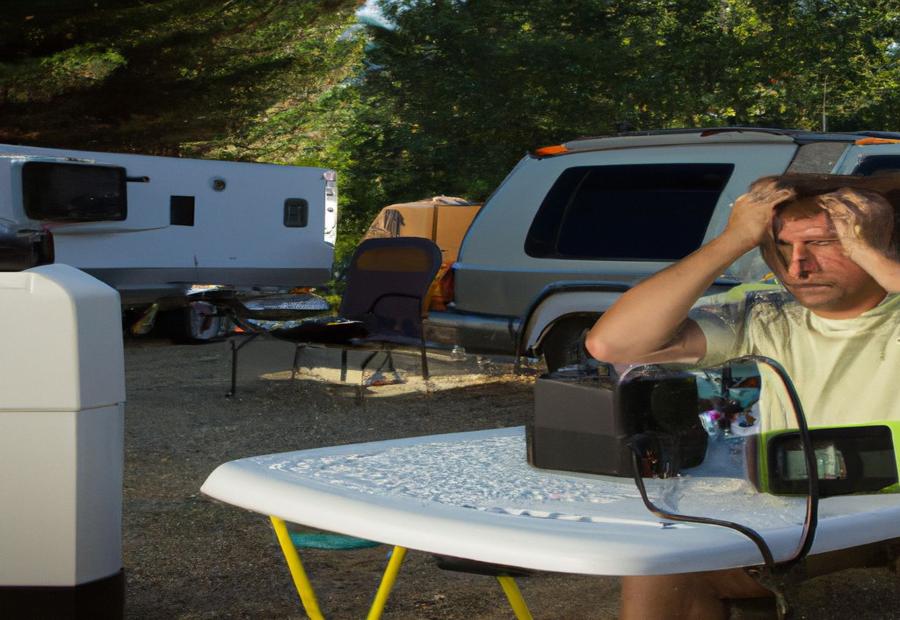
Photo Credits: Gorvlyfe.Com by Austin Johnson
When it comes to the mystery of your RV battery not charging, understanding the common reasons behind it is essential. In this section, we will uncover the factors that may contribute to this issue. From neglecting maintenance to insufficient charging time and the impact of battery age and replacement, we’ll explore the key factors that can hinder your RV battery’s charging process. Stay tuned to unravel the secrets behind a fully charged and reliable RV battery.
Lack of maintenance
RV battery maintenance is a must for optimal performance and longevity. Check the charge level regularly to prevent insufficient charging time or overcharging. Clean connections to remove corrosion and buildup that may slow down electricity flow. Additionally, maintain the correct water level in flooded batteries to stop drying out and damage inside.
No maintenance can result in charging issues with your RV battery. It is important to clean connections and monitor water levels for proper battery function. Neglecting these tasks can lead to preventable problems with your RV battery. Insufficient charging time is an issue that can be avoided with routine care – just like your ex!
Insufficient charging time
Time to tackle insufficient charging time? Follow a 3-step guide!
- Efficient charging: Allocate enough time for the battery to charge completely. Charging for too short a period may not provide the battery with enough energy. Let the charger run for several hours or overnight, based on how charged the battery is.
- No premature disconnects: Don’t disconnect the charger or interrupt the power supply before charging is done. Doing this can disrupt the cycle and stop the battery from getting enough power. Keep an eye on it until it’s fully charged.
- Battery maintenance: Check and maintain your RV battery for peak performance. Clean corrosion, tighten connections, and check for damage or wear. This will help keep your battery going and prevent issues related to insufficient charging.
Also, insufficient charging time can be caused by factors like low shore power or faulty converters. Troubleshooting can help identify and fix these issues.
Knowledge of insufficient charging time lets RV owners take measures to maintain battery life and performance. By following a proper charging schedule, avoiding early disconnection, and doing regular maintenance, RV owners can avoid issues related to insufficient charging and have uninterrupted power during their trips.
Age and replacement of the battery
Time and replacement of batteries are key factors in RV battery maintenance. Batteries can lose the ability to hold a charge, so it’s important to know when they need replacing.
Regular inspections should be done for signs of aging. Monitor battery age – lead-acid batteries are usually good for 3-5 years, and lithium-ion batteries can last up to 10.
Testing with a multimeter or specialized tester can assess battery health. Capacity should be measured with a load tester to see if a new one is needed.
Safety precautions must be taken when replacing an RV battery – select the right type and size for the electrical system. Dispose of old batteries correctly at recycling centers.
Managing age and replacement of RV batteries can help avoid power failures and extend the lifespan of the electrical system by up to 50%. Regular monitoring, testing, and selection of replacement batteries will help ensure reliable performance.
Troubleshooting Steps for RV Battery Not Charging
Photo Credits: Gorvlyfe.Com by Matthew Mitchell
Are you struggling with your RV battery not charging? Don’t worry, we’ve got you covered! In this section, we will walk you through the troubleshooting steps to identify and resolve the issue. From checking the converter and shore power to testing battery health and charge, we will cover it all. Stay tuned to uncover potential issues with the converter and get ready to hit the road with a fully charged battery!
Checking the converter and shore power
- Examine the converter and shore power connections to guarantee the right charging of your RV battery.
- Check the wires and components of the converter for loose parts, overheating, or burnt components.
- Use a multimeter to test the output voltage of the converter.
- Scan the power cord and electrical outlet for any harm or detached connections.
- Ensure the correct functioning of other electrical components to ensure power streaming.
- See that all circuit breakers related to the converter and shore power are in their proper position.
- Consider utilizing a committed surge protector or voltage regulator to protect your RV’s electrical system.
By inspecting both the converter and shore power connections, you can identify any issues that may be preventing proper charging of your RV battery.
Tip: Inspect and maintain your converter and shore power connections regularly to prevent charging issues with your RV battery. This can save you time, money, and frustration while keeping your battery in top condition.
Testing battery health and charge
Testing the charge and health of an RV battery is vital for keeping it running properly. It allows you to find out if it’s in good condition and has enough power. It can help stop unexpected breakdowns and increase its life span.
- Use a voltmeter to measure the voltage of your RV battery. If the reading is between 12.4V and 12.7V, it’s fully charged. Anything significantly lower could mean it needs charging or replacing.
- Load testing tells you how much capacity the battery has. This is done by applying a controlled load and seeing if the voltage stays steady or drops.
- Finally, hydrometer readings give you an idea of the state of charge and health. This is done by measuring electrolyte density, which shows the level of charge in each cell.
Remember to do maintenance like cleaning terminals and checking connections too. Manufacturer guidelines and safety precautions should be followed for accurate testing and to stay safe.
Pro Tip: Don’t blame the converter just yet if your RV battery isn’t charging.
Potential issues with the converter
Potential problems with RV battery charging can be caused by a faulty converter. Here are some points to consider:
- Converter failure: This may occur due to electric or mechanical issues, preventing it from charging the batteries. Wiring issues, blown fuses, or worn components could be the case.
- Inadequate voltage output: A defective transformer or regulator in the converter could lead to insufficient charging.
- Overcharging or undercharging: This imbalance could occur when the converter fails to regulate the charging process correctly.
- Compatibility issues: Different converters need different compatibility requirements with RV batteries. An incompatible one could cause battery issues.
Stay ahead of these potential issues – seek professional help, or follow manufacturer guidelines. Ensure a well-functioning converter to maintain RV battery health and longevity.
Fun Fact: According to AAA.com, a faulty power converter is one of the common causes of RV battery problems. Get full power ahead with this step-by-step guide for charging up RV batteries like a pro – no mysteries included.
Step-by-Step Guide to Charging RV Batteries
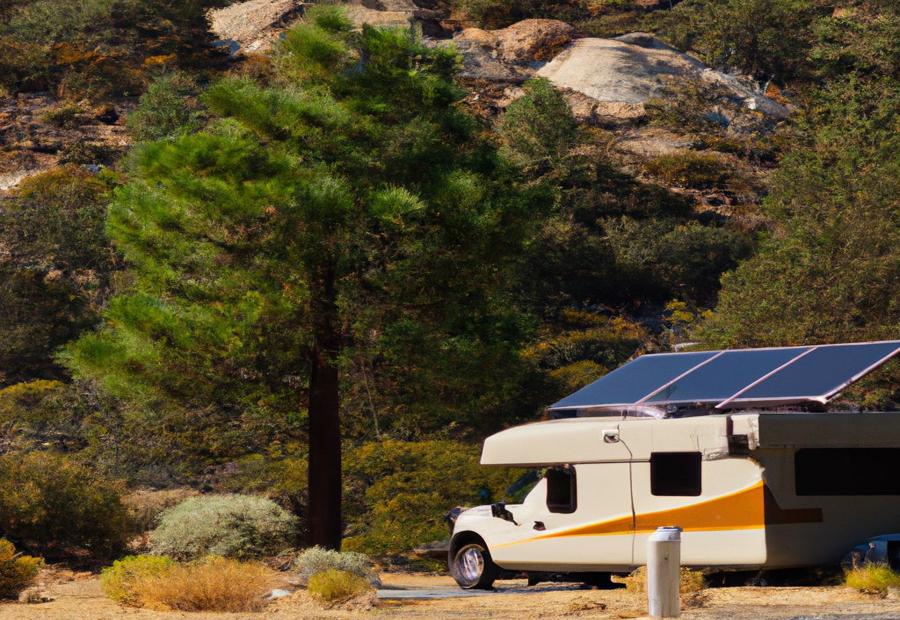
Photo Credits: Gorvlyfe.Com by Frank Nelson
In this step-by-step guide, we will explore the process of charging RV batteries. From safety precautions to the final steps of reconnecting the battery and additional batteries, we will cover everything you need to know. Learn how to locate and clean battery connections, check distilled water levels, use an RV battery charger, and recognize the indications of a full charge. Get ready to solve the mysteries of your RV battery not charging with this comprehensive guide.
Safety precautions
When charging RV batteries, it’s important to take proper safety measures. Here are some guidelines to follow:
- Wear protective gear such as gloves and safety glasses.
- Make sure the area has proper ventilation to avoid the buildup of hazardous fumes.
- Disconnect any power sources connected to the RV.
- Follow the manufacturer instructions to ensure safe and effective charging.
- Monitor the charging progress to prevent overcharging, which can reduce the battery’s lifespan.
- Use a designated RV battery charger rather than an automotive one.
- Ensure all connections are secure and free from corrosion before charging.
- Locate and clean battery connections for a charged RV journey.
By following these safety precautions, your RV battery charging will go smoothly and minimize the risk of accidents or damage.
Locating and cleaning battery connections
Locating and cleaning battery connections in an RV is essential for proper functioning and charging. To ensure optimal performance and longevity of the batteries, it’s important to locate and clean these connections regularly. Here are steps to follow:
- Identify the battery compartment in your RV and open it. Look for the batteries and locate the positive (+) and negative (-) terminals, usually on top.
- Disconnect all power sources from the RV’s electrical system. Clean the terminals with a wire brush or battery terminal cleaner. Give both the positive and negative terminals a thorough scrub.
- Inspect the connections for any damage like loose wires, worn-out insulation, or cracks. If you find significant damage, seek professional help for repairs or replacement.
- Reconnect the battery cables onto their respective terminals. Secure them with a wrench or pliers.
Cleaning battery connections improves electrical conductivity, prevents voltage drops, and reduces potential charging issues. Additionally, check other components related to the RV’s electrical system. Inspect cables for wear and tear, check fuses for blown ones, and make sure wiring is connected securely.
Routine maintenance of the RV’s electrical system promotes reliable charging of the batteries and extends their lifespan. Monitoring other components along with cleaning the battery connections helps ensure optimal performance when charging the RV batteries. Stay hydrated!
Checking distilled water level and adding if needed
Checking the water level in RV batteries is essential for proper maintenance and optimal performance. Regular monitoring and adding distilled water when needed can prevent battery damage and prolong its life. Here is a 6-step guide to checking the water level and adding it if needed:
- Find the battery compartment: Open the place where the RV batteries are located. This is usually in a special area of your RV, such as in a storage compartment or under a seat.
- Safety: Wear safety gloves and eye protection before inspecting the batteries to avoid any hazards.
- Clean battery connections: Use a wire brush or battery cleaner to get rid of corrosion or dirt from the battery terminals and connections. This will enable better conductivity and stop possible charging issues.
- Inspect water levels: Carefully open the caps on each battery cell and check the water levels inside. The water should cover the lead plates without spilling over.
- Add distilled water: If the water levels are low, add distilled water using a funnel to prevent spillage. Don’t use tap water or any other type of fluid, as they may have minerals or impurities that can damage the battery.
- Refill all cells equally: Put in the same amount of distilled water to each cell until they are filled properly, making sure balanced charging and longer life for your RV batteries.
By following these steps, you can effectively check the distilled water level in your RV batteries and add it if necessary, boosting their life and optimal functioning.
Pro Tip: Regularly monitoring and maintaining the right water levels in your RV batteries will not only raise their performance but also keep potential damage caused by low electrolyte levels.
Using an RV battery charger
Using an RV battery charger is a key part of regular maintenance. Doing this helps the batteries last longer and work better.
One RVer shared their experience. Their batteries weren’t lasting as long, so they bought an RV battery charger. They followed safety rules and cleaned the connections before charging. After a few hours, their batteries were full again, giving them peace of mind. This shows how an RV battery charger can be a simple fix to battery issues.
Charging batteries: like kids waiting for their parents to finish shopping!
Charging process and indicating a full charge
Charge your RV battery safely! Firstly, clean the battery connections to remove any corrosion or debris. Check the distilled water level, and top up if needed. Now, here is a 3-step guide to charging your battery.
- Use an RV battery charger. Connect it to an appropriate power source, and to the RV battery. Choose the correct voltage setting.
- Monitor the charging process. Use a built-in indicator or a digital multimeter to observe how much current is being drawn.
- Indicate a full charge. When your RV battery reaches 12.6-12.8 volts, most chargers switch into float or trickle charge mode.
Pro Tip: Invest in a quality, RV-specific charger to extend your battery’s lifespan. These chargers often feature advanced algorithms to optimize the charging process.
Reconnecting the battery and additional batteries
- Before reconnecting, turn off all power sources. This includes shore power and RV power.
- Clean battery terminals and cable connectors with a brush or solution. This removes any corrosion or debris.
- Connect the positive (+) terminal of one battery to the negative (-) terminal of another. Fasten them with bolts or clamps.
- Once all connections are secure, turn on power sources again. This ensures a safe connection.
It’s important to follow the wiring configurations of your RV. Refer to the manual or seek advice if unsure.
Follow these steps to reconnect the batteries and ensure reliable power for your RV journey.
Community Insights and Additional Resources

Photo Credits: Gorvlyfe.Com by Jeffrey Baker
Engage with the vibrant RV community to gain valuable insights and experiences, while exploring additional resources and references for further information. Tap into the collective knowledge of RV enthusiasts who can offer practical solutions for solving the mystery of your RV battery not charging. Discover valuable tips, recommendations, and helpful resources that will guide you towards resolving this common issue.
Engaging with the RV community for insights and experiences
Engaging with the RV community allows owners to benefit from collective wisdom and diverse experiences. They may learn about unique battery charging requirements or idiosyncrasies that go beyond manuals or online resources. To truly engage, it’s vital to contribute as well. Sharing one’s knowledge fosters camaraderie and promotes the growth of the community. A supportive environment is created where everyone can benefit from shared wisdom and continuous learning.
Unlock the treasure trove of knowledge with these resources and references for all your RV battery charging conundrums.
Additional resources and references for further information
To unearth further resources for RV battery maintenance and troubleshooting, many options are out there. These sources provide useful info to help expand your knowledge of RV batteries’ management and sorting problems.
- Online forums for RV lovers can be a great resource. Interacting with experienced RV owners and pros in these communities gives you access to lots of knowledge and real-life experiences.
- Manufacturer websites and user manuals are important too. Many make guides and FAQs tailored to their RV battery products, with instructions on maintenance charging, troubleshooting steps, and replacement guidelines.
- RV battery care guides published by respected industry pubs or orgs can also provide reliable info. These cover topics like charging best practices, storage techniques, maintenance strategies, common issues and solutions, plus the newest battery tech advancements.
Moreover, think about consulting with RV service centers or specialists who know lots about batteries, their needs, possible issues during charging or use, and solutions. Their expertise can give you insights tailored to your needs.
Exploring these additional resources can give you the knowledge and guidance to maintain your RV batteries. Knowing how to solve any potential challenges is key to keeping your batteries going for longer.
Conclusion

Photo Credits: Gorvlyfe.Com by Jesse Taylor
Text:
Frustrating! RV battery not charging. Could be an issue with the battery. Old? Damaged? Replace it! Also, might be a problem with the charging system. Check components & make repairs or replacements. Or, a parasitic draw on the battery? Draining power even when RV is not in use. Identify and fix. Address potential issues to solve the mystery! Troubleshoot for good working condition. Time to resolve the problem & keep battery ready for adventures!
Some Facts About “Solving the Mystery of Your RV Battery Not Charging”:
- ✅ One common reason for RV battery failure is lack of maintenance. (Source: RV Life)
- ✅ Overcharging the battery can cause it to die by boiling off electrolyte fluid. (Source: RV Life)
- ✅ Draining the battery beyond 50% can damage it and reduce its ability to hold a charge. (Source: RV Life)
- ✅ Insufficient charging time can lead to battery failure, requiring about 2 days to fully charge. (Source: RV Life)
- ✅ RV batteries typically last around 6 years if properly maintained and not discharged past 80%. (Source: RV Life)